London flats make alarm buying more complicated than the product boxes suggest. A Victorian conversion may have thick doors between a hallway and bedroom. A new-build flat may already have hardwired alarms on a lighting circuit. A rented studio may allow no drilling beyond adhesive accessories. A leasehold maisonette may need permission before any new cable route is chased. The right answer is rarely "buy the smartest smoke alarm"; it is usually "put the right type of detector in the right rooms, then decide how they should talk to each other."
Our editorial approach starts with official safety guidance, then turns it into a buying shortlist. London Fire Brigade says smoke alarms detect smoke, while heat alarms detect rapid temperature increases; it also says kitchens should use heat alarms rather than smoke alarms because smoke alarms are not suitable for kitchen fumes (source). Fire England's home fire safety guidance is a useful baseline for why working smoke alarms matter at all (source). We do not claim hands-on lab testing; we compare product routes, installation friction, and the practical risks that matter in London flats. Our site method is explained on our about page and editorial policy.
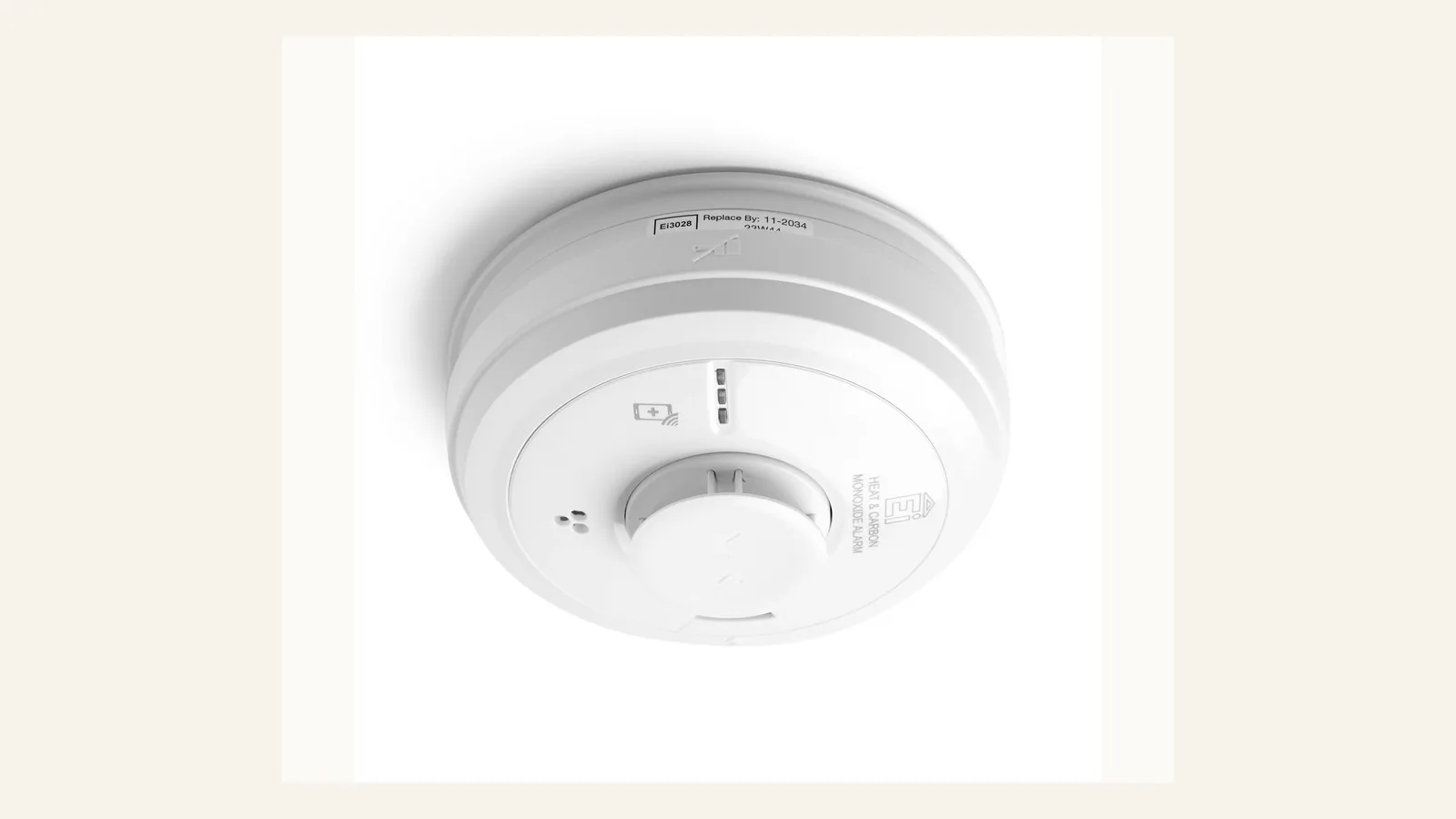
Quick Picks
| Pick | Best fit | Why it stands out | Watch before buying |
|---|---|---|---|
| Aico Ei3016 / Ei3028 route | Owned flats, renovations, consumer-unit work | Strong mains-powered ecosystem, professional fit, interlink options | Needs competent installation and the right detector type per room |
| FireAngel Pro Connected | Flats where rewiring is awkward | Wireless interlinking and a range covering smoke, heat, and CO | Confirm model compatibility, app/gateway expectations, and battery/mains version |
| Google Nest Protect | Smart-home users who want voice/app alerts | Combined smoke and CO concept with smart notifications | Check current UK availability and expiry date before treating it as a new-buy default |
| Kidde mains or sealed-battery alarms | Simple replacements and budget-conscious safety upgrades | Broad mainstream availability and straightforward smoke/CO options | Choose the right sensor type and avoid using smoke alarms in kitchens |
| X-Sense interlinked alarms | Renter-friendly or no-chase interlinking | Wireless interlink kits can be practical where cabling is not acceptable | Confirm UK certification marks, warranty support, and audibility in your layout |
What To Decide Before You Buy
Start with room placement, not brand. A hallway-only smoke alarm is better than nothing, but it is not a complete plan if bedrooms, living rooms, or appliance-heavy rooms are isolated by doors. London Fire Brigade advises against relying on one hallway alarm and says smoke alarms should go in rooms where a fire may start, except rooms such as kitchens where smoke or steam makes a smoke alarm unsuitable. In the kitchen, a heat alarm is the practical choice because it is designed to react to temperature rather than normal cooking smoke.
Next decide how alarms should alert together. Interlinked alarms are valuable because one alarm sounding can trigger the rest. That matters in flats where the kitchen is behind a closed fire door, a bedroom is at the end of a narrow corridor, or a sleeping occupant may not hear a single alarm through the layout. Interlinking can be wired, radio-frequency based, or part of a smart ecosystem. Wired interlinking is usually most robust when planned during electrical work; wireless interlinking is often more realistic in finished flats.
Finally decide whether mains power is worth the disruption. If you are already planning electrical work, see our guide to consumer unit upgrades and our drilling safety checklist for wire detectors in London flats. A qualified electrician can advise whether mains-powered alarms can be added cleanly. If you rent, or if the property is leasehold with strict alteration rules, sealed-battery wireless alarms may be the lower-friction route. For plug-in tools and small DIY jobs around the same project, our RCD adaptor guide covers another basic layer of electrical safety.
Best For Owned Flats During Electrical Work: Aico Ei3016 / Ei3028 Route
Aico is the shortlist route we would discuss first when an owner-occupier or landlord is already booking electrical work. The appeal is not just one product; it is the ecosystem. In a typical flat plan, an optical smoke alarm such as an Ei3016-style unit may suit a hallway or living room, while a heat alarm or combined heat/CO unit can be considered for a kitchen or fuel-burning risk area. Aico's Ei3028 page describes a multi-sensor heat and carbon monoxide alarm using a thermistor heat sensor and electrochemical CO sensor, intended to cover fire heat and CO in one unit (source).
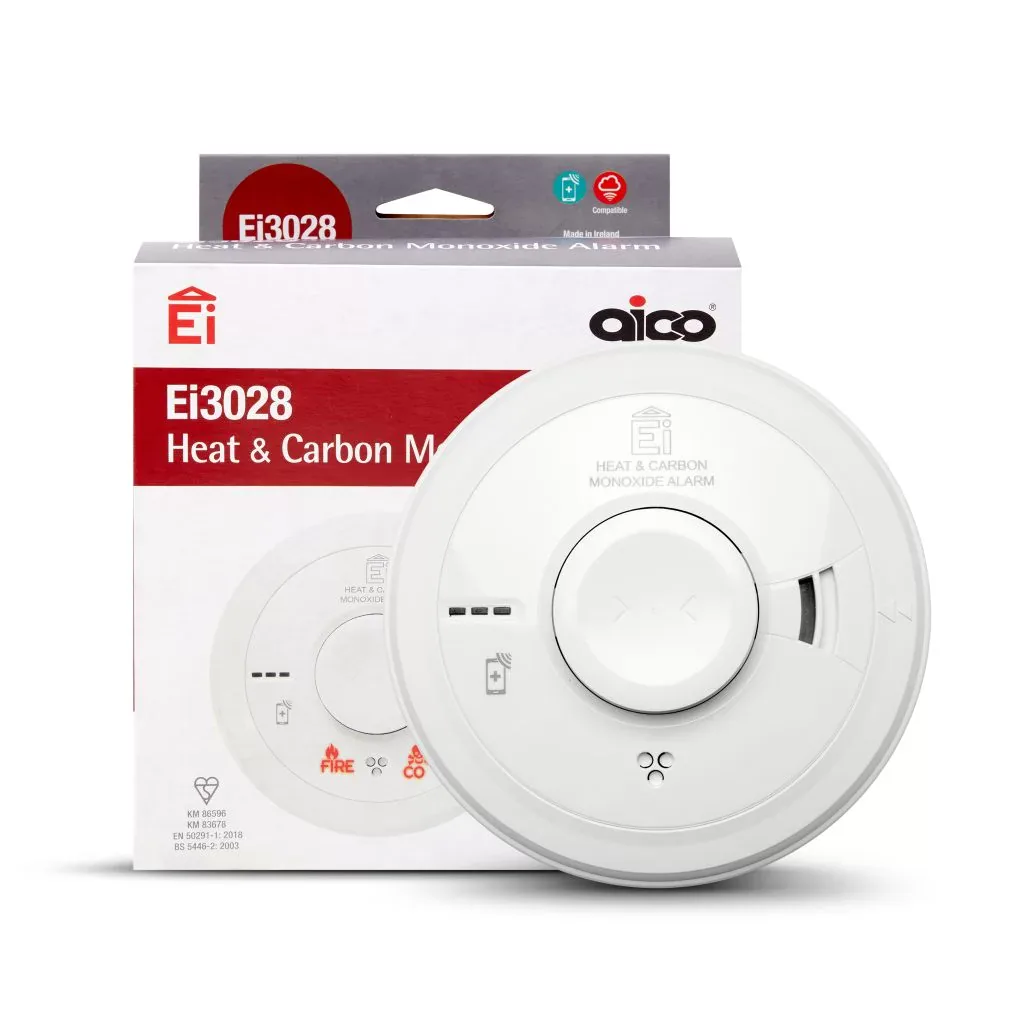
The main advantage is permanence. A mains-powered alarm system can be positioned as part of a proper electrical plan rather than added as an afterthought. For a flat owner replacing an old consumer unit, opening ceilings, or refreshing a rental property between tenancies, that can be the right moment to specify the alarm locations. It also reduces the temptation to leave a battery-only alarm untested for years.
The tradeoff is disruption and responsibility. Mains alarms are not a casual DIY install. London Fire Brigade explicitly says mains-powered alarms should be installed by a qualified electrician (source). In a leasehold block, you also need to understand what belongs to the flat and what belongs to the building or landlord. Aico is strongest when the project already has competent electrical oversight; it is overkill if the only task is replacing an expired standalone hallway alarm tonight.
Best For Interlinking Without Rewiring: FireAngel Pro Connected
FireAngel Pro Connected is the route for flats where interlinking matters but chasing new cables would be disproportionate. FireAngel describes Pro Connected as an interconnected range covering smoke, heat, and carbon monoxide alarms, with mobile alerts available through its connected setup (source). For a London flat with a closed kitchen, a hallway, and a bedroom behind a heavy door, that networked approach is often more important than whether the alarm has a premium app interface.
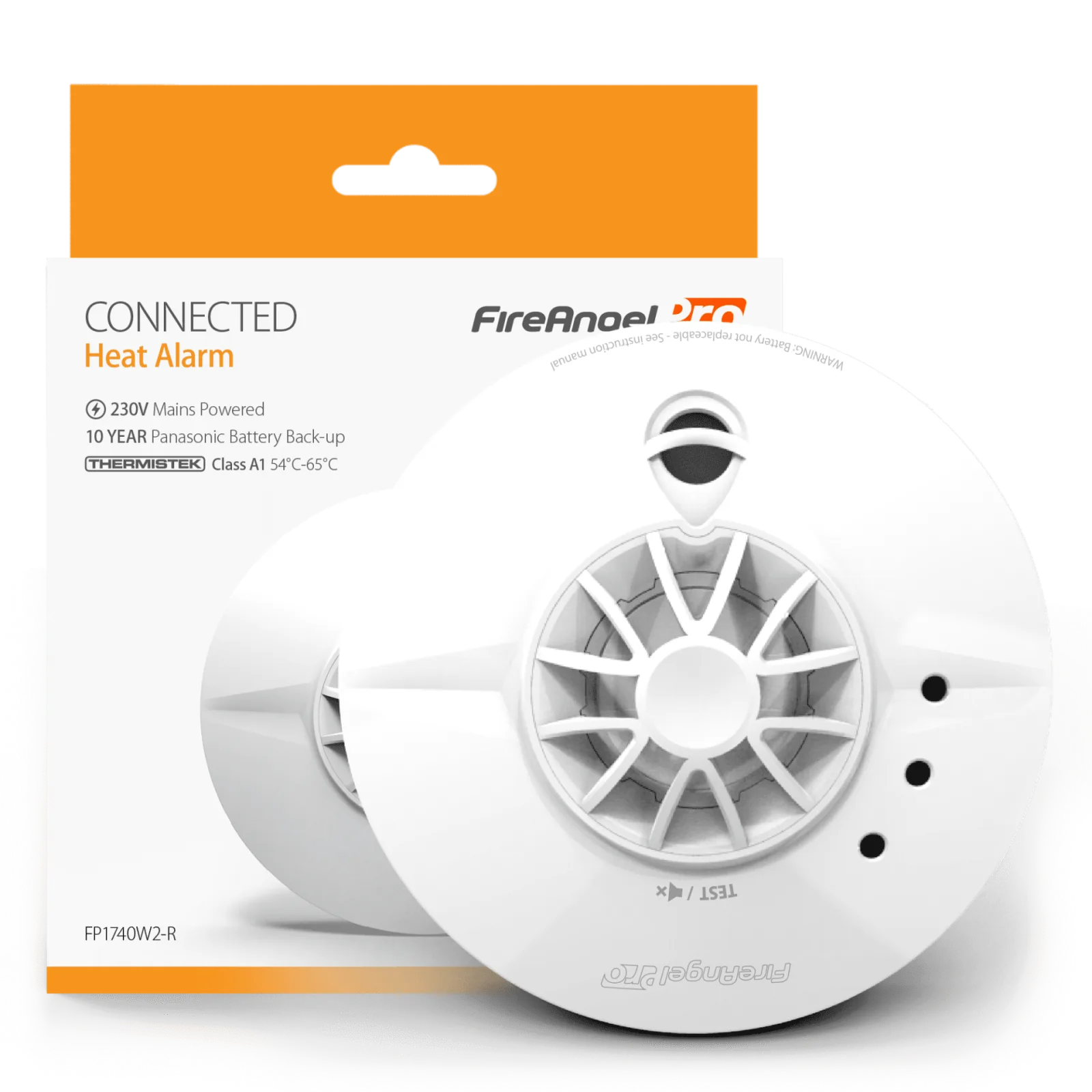
The practical buying question is version control. FireAngel has mains and battery products, gateway/app accessories, and model-specific interlink rules. Do not mix random alarms and assume they will all talk to each other. Build a set deliberately: kitchen heat alarm, hall or living-room smoke alarm, bedroom-adjacent alarm where appropriate, and any CO alarm needed near fuel-burning appliances. Then check whether the interlinking and app functions require a gateway or a specific model family.
This route is also useful for landlords or homeowners who want an upgrade without a full rewire. It can be easier to place the right detector in the right room when the wiring is not dictating the layout. The downside is that wireless systems still need testing, battery awareness, and clean documentation. If you are comparing safety add-ons alongside home emergency cover, our guide to electrical emergency cover explains why alarm maintenance should not be confused with insurance or callout cover.
Best Smart Option If Availability Fits: Google Nest Protect
Google Nest Protect became popular because it made alarms more understandable: voice alerts, phone notifications, smoke and CO sensing, and a clear smart-home narrative. For households already built around Google Home, that can still be attractive. The official Google Store URL for Nest Protect is the place many UK buyers still check first (source), but availability should be verified carefully because smart-home product lines change and alarm expiry dates matter.
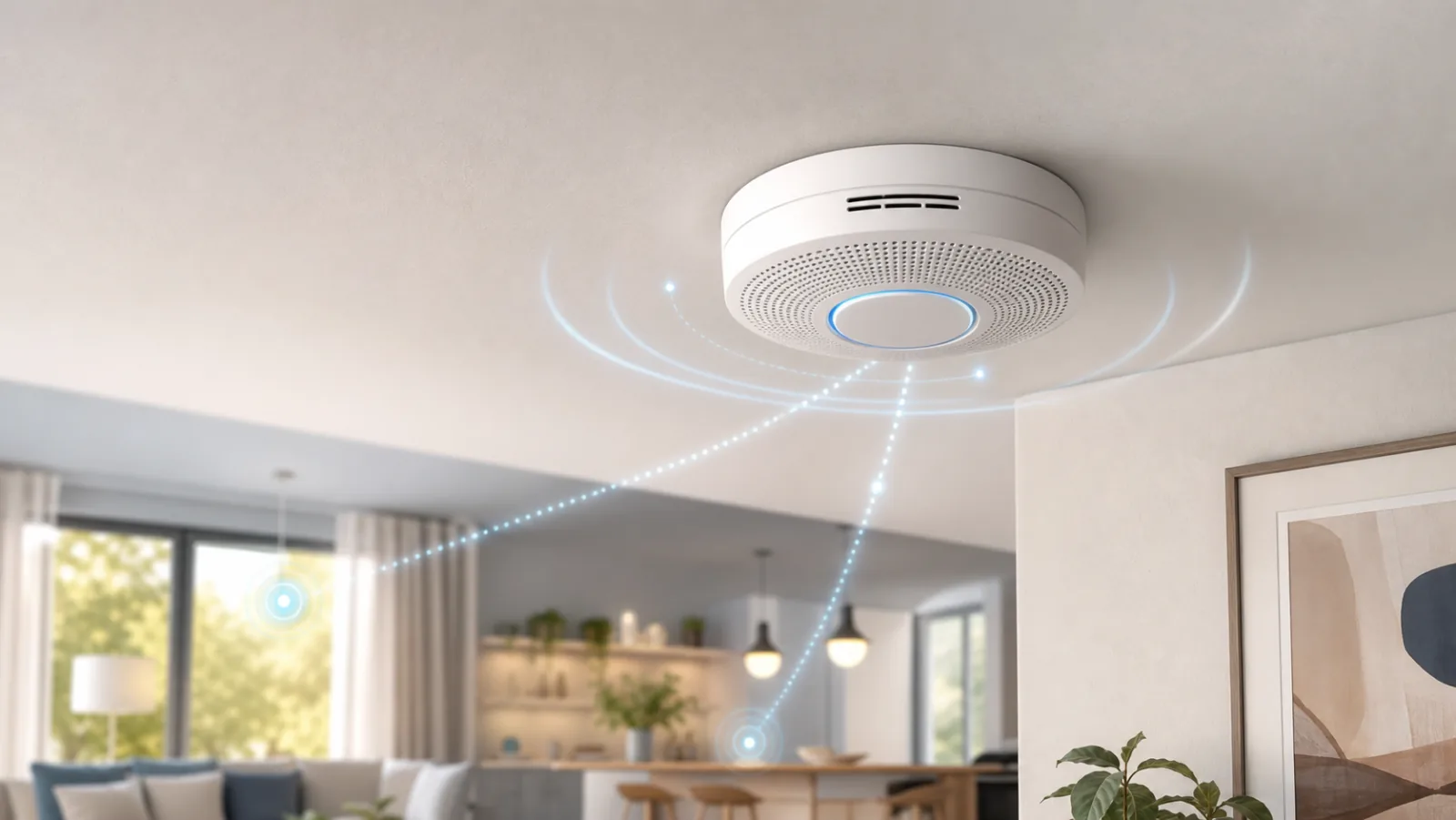
Nest Protect's fit is narrower than its reputation. It is not the default recommendation for every London flat because safety depends first on correct placement and suitable detector type. A smart alarm in the wrong room is still the wrong alarm. For example, a kitchen needs a heat alarm route; a smoke alarm that is repeatedly silenced because of cooking is a poor safety outcome. Smart alerts are useful if you travel, care for someone, or want remote notification, but they are secondary to audibility, interlinking, expiry, and placement.
Choose this route if you already own Nest Protect units and need consistency, or if you can confirm new stock, warranty, and replacement plans. Avoid it if you are starting from scratch and can get a clearer, more maintainable interlinked smoke-and-heat layout from Aico, FireAngel, Kidde, or another current UK-supported alarm family. If your broader home-control project also includes heating, our smart TRV versus room thermostat comparison uses the same principle: smart features should follow the core control requirement, not replace it.
Best Simple Replacement Route: Kidde Mains Or Sealed Battery Alarms
Kidde is a sensible route when the job is not a whole-system redesign. If an existing alarm is expired, damaged, or missing, a straightforward replacement from a mainstream alarm brand can be the fastest improvement. The key is choosing the right class of alarm. A smoke alarm for a hallway is not a kitchen heat alarm. A CO alarm is not a smoke alarm. A mains alarm with a backup battery is not the same project as a ten-year sealed battery alarm.
This route is strongest for homeowners or renters who need to raise the baseline quickly. Check the safety mark, the sensor type, the expiry or replace-by date, and whether the unit is standalone or interlink-capable. If the flat already has a mains base, do not assume every replacement head fits that base; match the model family or ask an electrician. If you are a tenant, report missing or faulty alarms to the landlord and keep written records rather than silently installing an incompatible device and assuming responsibility is resolved.
The downside is that simple replacements can become too simple. Buying one cheap alarm for the hall may leave the kitchen, living room, and bedroom audibility problem unsolved. Use Kidde-style products as part of a plan: where is smoke detection needed, where is heat detection needed, is CO detection needed, and can everyone hear the warning with doors closed?
Best Budget Wireless Interlink Route: X-Sense Interlinked Alarms
X-Sense-style wireless interlinked kits are worth considering when the objective is coverage across several rooms without new cabling. A kit can be more coherent than buying individual standalone alarms over time. For a renter, a leaseholder avoiding ceiling chases, or a flat owner trying to cover a hallway plus distant room, wireless interlinking can be practical.
The caution is support and certification. Before buying, check the current UK safety marks, the exact model's smoke or heat function, whether the range includes a proper kitchen heat alarm, and how many units can be interlinked. Also check how the silence and test functions work. An interlinked network that is annoying to test will be tested less often, and an alarm that is easy to silence during cooking may be placed incorrectly.
We would not make X-Sense the first call for a landlord refurb, a high-risk household, or a project already involving electrical work. In those cases, an electrician-led mains or professionally planned radio-interlinked system is cleaner. But for budget-conscious flat dwellers who still want all alarms to sound together, it is a route worth comparing.
Placement Rules That Matter More Than Brand
Put the kitchen decision first. Kitchens should use heat alarms rather than smoke alarms because cooking fumes and steam can trigger nuisance alarms. Put smoke alarms in circulation spaces and rooms where a fire may start, particularly where doors or layout could delay warning. Consider living rooms with chargers, heaters, or appliances left on standby. Bedrooms may need coverage depending on layout, occupant needs, and local guidance.
Interlink where a single alarm may not wake everyone. London Fire Brigade notes that some battery or mains alarms can be interlinked so all alarms sound together when one detects fire, and that this can be especially important for people whose escape may be delayed (source). In flat terms, that includes elderly relatives, children, deep sleepers, disabled occupants, or anyone behind multiple closed doors.
Treat CO separately. Some products combine smoke, heat, and CO functions, but the risk being detected still matters. CO alarms are tied to fuel-burning appliances and manufacturer placement rules. Do not assume a smoke alarm covers CO, and do not place a CO alarm as if it were a smoke alarm unless the manufacturer instructions say so.
Buying Checklist For London Flats
Before ordering, write a one-page room plan. Mark the kitchen, hallway, bedrooms, living room, boiler or fuel-burning appliance if present, and any doors that are usually closed at night. Then decide the detector type for each room: smoke, heat, CO, or combined product. After that, choose the power route: mains, sealed battery, replaceable battery, or mixed system. Last, decide interlinking.
Check installation constraints early. Leasehold flats may restrict cable routes, ceiling penetrations, or works near communal areas. Rental homes add responsibility questions. If the alarm is mains-powered, book a qualified electrician rather than treating it as a weekend accessory. If other electrical work is happening, combine planning so alarm cabling is not an afterthought.
Do not buy only for app alerts. Smart notifications are useful, but a silent phone, expired alarm, or badly placed smoke detector does not become safe because it has Wi-Fi. Prioritise audibility, correct detector type, clear testing, and replacement dates. Then add smart features if they solve a real problem.
Frequently Asked Questions
Do London flats need heat alarms as well as smoke alarms?
A heat alarm is the better fit for kitchens because cooking fumes can cause nuisance smoke alarms. Smoke alarms should cover circulation spaces and other rooms where a fire may start.
Are interlinked alarms worth it in a small flat?
Interlinking is useful even in compact flats when bedrooms are separated by doors, occupants sleep deeply, or one alarm may be hard to hear from another room.
Should I choose mains or battery smoke alarms?
Mains alarms suit owned flats during electrical work because they can be permanent and interlinked. Sealed battery or wireless models suit renters or flats where chasing cables is impractical.
Can I install a mains alarm myself?
No. If a mains-powered alarm is being connected to the electrical installation, use a qualified electrician and check leasehold or landlord responsibilities before work starts.
Final Recommendation
For most owned London flats, the best route is a planned, interlinked system with smoke alarms in the right rooms and a heat alarm in the kitchen. If electrical work is already scheduled, start with an Aico-style professional plan. If rewiring is unrealistic, compare FireAngel Pro Connected or another current wireless interlinking family. If you want smart alerts, treat Google Nest Protect or successor-compatible smart alarms as an extra layer, not the safety foundation. If you need a fast replacement, Kidde or X-Sense routes can still be useful, provided the alarm type, safety marks, interlinking, and replacement date are checked.
The worst outcome is not choosing a cheaper brand; it is buying one standalone smoke alarm, putting it in the wrong place, and never testing it. Build the alarm plan around rooms, risks, and people first. Brands come second.