Best Smart Radiator Valves for London Homes
For many London homes, the heating problem is not simply whether the boiler works. It is that one room overheats, another stays cold, and a hallway thermostat makes decisions for a flat with very different room sizes, window exposure, and occupancy patterns. Smart radiator valves can help by giving each radiator its own schedule and target temperature, but they are not a universal fix. The best choice depends on your existing thermostatic radiator valves, boiler control setup, hub ecosystem, battery access, and whether you want the valves to call for heat rather than only restrict an already-running radiator.
This guide is for readers searching for the best smart radiator valves UK London homes can sensibly use without overbuying. We have treated this as an editorial, source-backed comparison rather than a hands-on lab test. We reviewed official product information, compatibility claims, power requirements, and system dependencies, then weighted the results for London use: flats with limited access around radiators, older valve bodies, mixed room sizes, rental constraints, and the cost of starting from scratch.
If you are planning deeper heating or electrical work at the same time, read our guide to smart radiator valves in London flats and our explainer on smart TRVs vs room thermostats. For how we choose products and handle affiliate links, see our editorial policy and about London LEC.
Quick Verdict
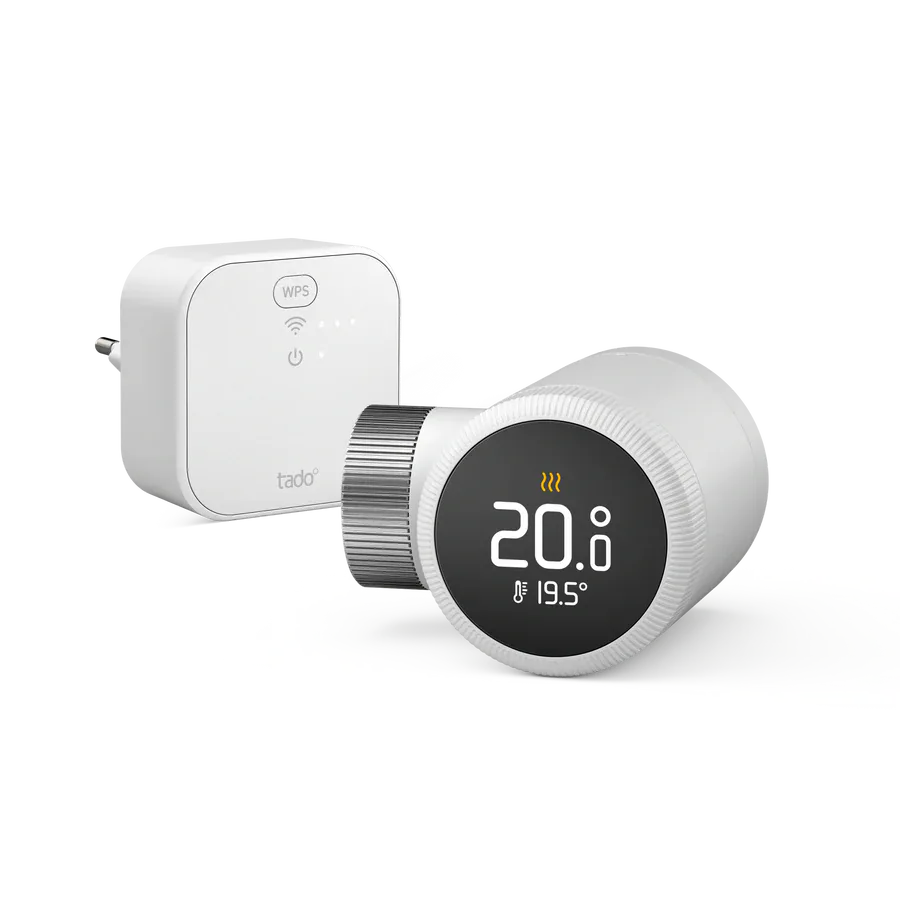
The best overall pick for most London homes is the tado Smart Radiator Thermostat X. It is not the cheapest route, and it will not suit existing tado V3+ owners who want to reuse every old component. But for a new setup, it has the strongest mix of room-by-room control, modern smart-home compatibility, removable rechargeable battery access, and a clear upgrade path. tado says its Smart Radiator Thermostat X uses Matter and Thread and requires either Bridge X or a compatible Thread Border Router source. That matters in London flats where Wi-Fi congestion, thick walls, and awkward router positions can make reliability more important than headline features.
Drayton Wiser is our value recommendation if you want a heating-first system with clear UK positioning. The Wiser Radiator Thermostat is designed to expand a Wiser system and requires a Wiser Hub or HubR, with Drayton stating app control, scheduling, voice assistant support, included adaptors, and AA battery power source. Hive is the right shortlist entry for households already using Hive, but it is more ecosystem-dependent than it first appears. Hive says its radiator valve works with or without Hive Active Heating, but without Hive Active Heating it cannot override your current thermostat schedule and can only manage individual radiators while heating is already on source.
Netatmo is a good design-led option if you are already in its thermostat ecosystem, while Honeywell Home evohome HR92 remains the more mature zoned-heating route for larger or more complex homes source.
How We Compared Smart Radiator Valves
We weighted six practical factors.
First, ecosystem lock-in. A smart radiator valve is rarely just a valve. It usually needs a hub, bridge, thermostat, or controller. Some systems are easy to expand later, while others make most sense only if you already own that brand’s heating controls.
Second, boiler demand control. A valve that closes a radiator can stop heat entering that room, but the best setups can also ask the boiler for heat when one room needs warming. Without that link, you may still depend on the main thermostat. This is especially important in London flats where the thermostat may be in a hallway, lounge, or open-plan kitchen that does not represent bedrooms or home-office rooms.
Third, valve compatibility. Many London radiators already have TRVs, but older conversions and period properties can have manual valves, tight pipe positions, decorative radiator covers, or mixed valve bodies. If you do not already have thermostatic radiator valves, you may need a heating engineer before any smart head can be fitted.
Fourth, battery access. A smart valve becomes irritating if you have to remove furniture, unscrew awkward covers, or keep replacing cells in hard-to-reach spots. Rechargeable packs are convenient, but AA batteries are widely available and simple to swap.
Fifth, app reliability and everyday control. Room schedules, boosts, child lock, open-window features, and heating history only matter if the app is stable enough for daily use.
Sixth, starter-kit cost. The cheapest valve is not always the cheapest system. You may need a hub, bridge, thermostat, boiler receiver, or extra temperature sensor before the setup behaves the way you expect.
Best Overall: tado Smart Radiator Thermostat X
tado Smart Radiator Thermostat X is our top pick for a new London setup because it looks beyond the old “single bridge plus proprietary heating app” model. Official tado information describes Smart Radiator Thermostat X as Matter and Thread-enabled, with a removable rechargeable battery pack and compatibility with a tado Bridge X or another supported Thread Border Router. The company also states that tado X is not compatible with the V3+ Internet Bridge, which is a crucial detail for anyone upgrading an older tado home.
The editorial upside is clear. Matter and Thread support should make tado X more future-facing than many older smart heating systems, especially in homes already using Apple Home, Google Home, or Alexa-compatible hubs. The removable battery pack also suits radiators where the valve head is tucked near a wall or behind furniture. Instead of buying cells or wrestling with a battery bay, you remove and recharge the pack.
The trade-off is starter cost and ecosystem clarity. A first-time buyer may need Bridge X unless they already own a compatible Thread Border Router. Existing tado V3+ users need to think carefully before mixing generations, because the old bridge does not carry across to X. That is not a flaw if you are starting fresh, but it can make an upgrade feel more expensive than expected.
For London homes, tado X is strongest where you want a modern smart-home setup, several rooms on independent schedules, and a system that can grow over time. It is less compelling if you only want one cheap valve for a spare room.
Best Value Heating-First System: Drayton Wiser Radiator Thermostat
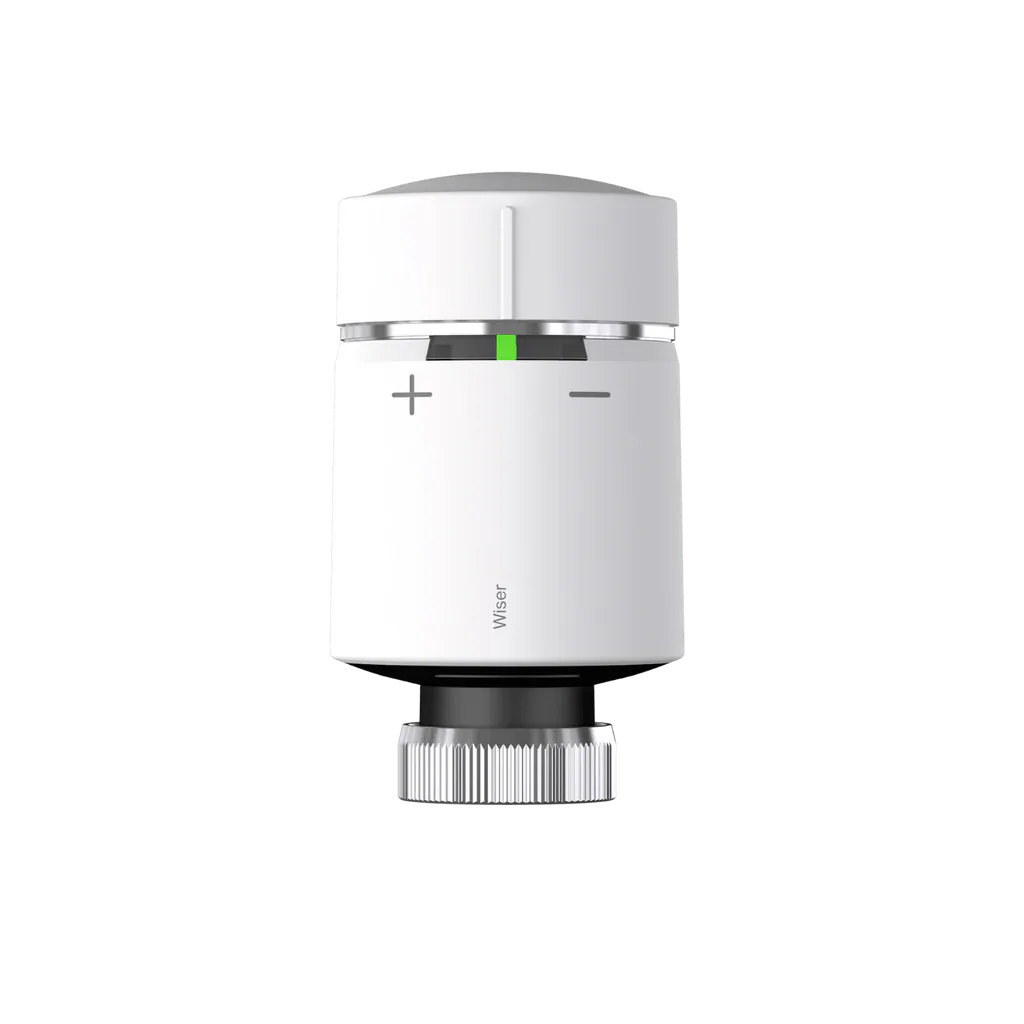
Drayton Wiser is the pick for households that want a practical UK heating system more than a general smart-home showcase. Wiser’s official product information says the radiator thermostat expands a Wiser system, works with the Wiser Home app, includes adaptors for broad TRV compatibility, uses two AA batteries, and requires a Wiser Hub or HubR. It also highlights scheduling, app control, voice assistant compatibility, device lock, and modes such as Eco, Comfort, and Away.
That makes Wiser a good fit for London homes where the priority is simple zoning rather than experimenting with platforms. If you already have Wiser heating controls, adding radiator thermostats is relatively easy to justify. You can build out bedrooms, a home office, or a living room without replacing the entire heating strategy.
The strongest point is system focus. Drayton is not trying to be everything in the smart home. It is selling a heating control platform, and that simplicity can be valuable. The official page also states that Wiser thermostats include adaptors to fit almost all thermostatic radiator valve bodies, while the FAQ says compatibility is around 90% of UK valve bodies. That still leaves edge cases, so do not assume every old London radiator will fit without checking.
The main limitation is that Wiser works best when you commit to Wiser. If your household already uses Hive, tado, or Apple Home routines heavily, Wiser may feel like another app and another hub. But if you are starting with heating performance rather than smart-home branding, it is one of the most sensible choices.
Best for Existing Hive Homes: Hive Radiator Valve
Hive Radiator Valve is attractive if your home already runs on Hive. The product page lists room-by-room control, schedules from the Hive app, direct control on the valve, grouping with other Hive devices, open-window detection, child lock, Zigbee connectivity, and two included AA alkaline batteries. Hive also states that the valve requires a compatible thermostatic radiator valve body, a Hive Hub or Hub 360, and the Hive app.
The important London-home detail is boiler demand. Hive says the radiator valve can work without Hive Active Heating, but without Hive Active Heating it cannot override the current thermostat setting or schedule. In plain English, that means it can control radiator flow when heating is already active, but it does not become a full room-by-room heating demand system on its own. With Hive Active Heating, the valves can be linked so the heating comes on automatically when a room needs heat.
That makes Hive a strong add-on for existing Hive homes and a weaker first choice for people who do not already use Hive. If you have Hive Active Heating, Hive Hub, and other Hive devices, the radiator valves extend a familiar app. If you are starting from nothing, compare the full system cost against tado and Wiser before buying.
Valve compatibility is another practical point. Hive says you need existing TRVs and warns that manual valves may require a qualified engineer to install compatible valves first. For older London properties, that check should happen before any basket is filled.
Best Design-Led Option: Netatmo Smart Radiator Valve
Netatmo is best for buyers who want smart radiator valves with a cleaner industrial design and are already comfortable with the Netatmo heating ecosystem. Its official UK product page presents the Additional Smart Radiator Valve as a connected thermostatic valve for hot-water radiators, requiring a Netatmo thermostat or starter pack, with remote control, scheduling, open-window detection, and compatibility with 90% of hot-water radiators in collective heating systems source.
The key word is “additional”. Netatmo’s valve is not the simplest standalone route if you are starting from zero and only want to fix one cold bedroom. It makes more sense as part of a Netatmo heating setup. For design-conscious flats, that may still be appealing. The hardware is compact and less visually technical than some alternatives, and Netatmo has historically focused on approachable home devices rather than installer-heavy control panels.
For London homes, Netatmo is worth considering in flats with visible radiators where product design matters and the owner wants app-based room schedules without a more industrial control system. It is less persuasive for larger homes needing very granular zoning, complex boiler integration, or the broadest UK installer familiarity.
Best for Mature Multi-Zone Setups: Honeywell Home evohome HR92
Honeywell Home evohome HR92 is the outlier in this shortlist. It is not the trendiest smart radiator valve, and it is not the obvious choice for someone who wants a modern app-first gadget. It remains relevant because evohome has long been a serious multi-zone heating control platform. The HR92 is best treated as part of an evohome system rather than a casual standalone purchase.
For larger London houses, maisonettes, or flats with awkward layouts, evohome can still make sense where the goal is established zoning rather than smart-home novelty. It is the kind of system a heating-literate installer may understand, and it can be more appropriate where there are many rooms, several heating patterns, and a need for a central controller.
The trade-off is consumer simplicity. Compared with tado, Hive, or Wiser, evohome feels more like a dedicated heating control system and less like a modern lifestyle app. That can be a strength if you want robustness and a known multi-zone architecture. It can be a weakness if you expect a quick app-led setup with minimal planning.
For most London flats, evohome HR92 is not our first recommendation. For larger homes already using evohome, it remains the obvious expansion path.
What to Check Before Buying
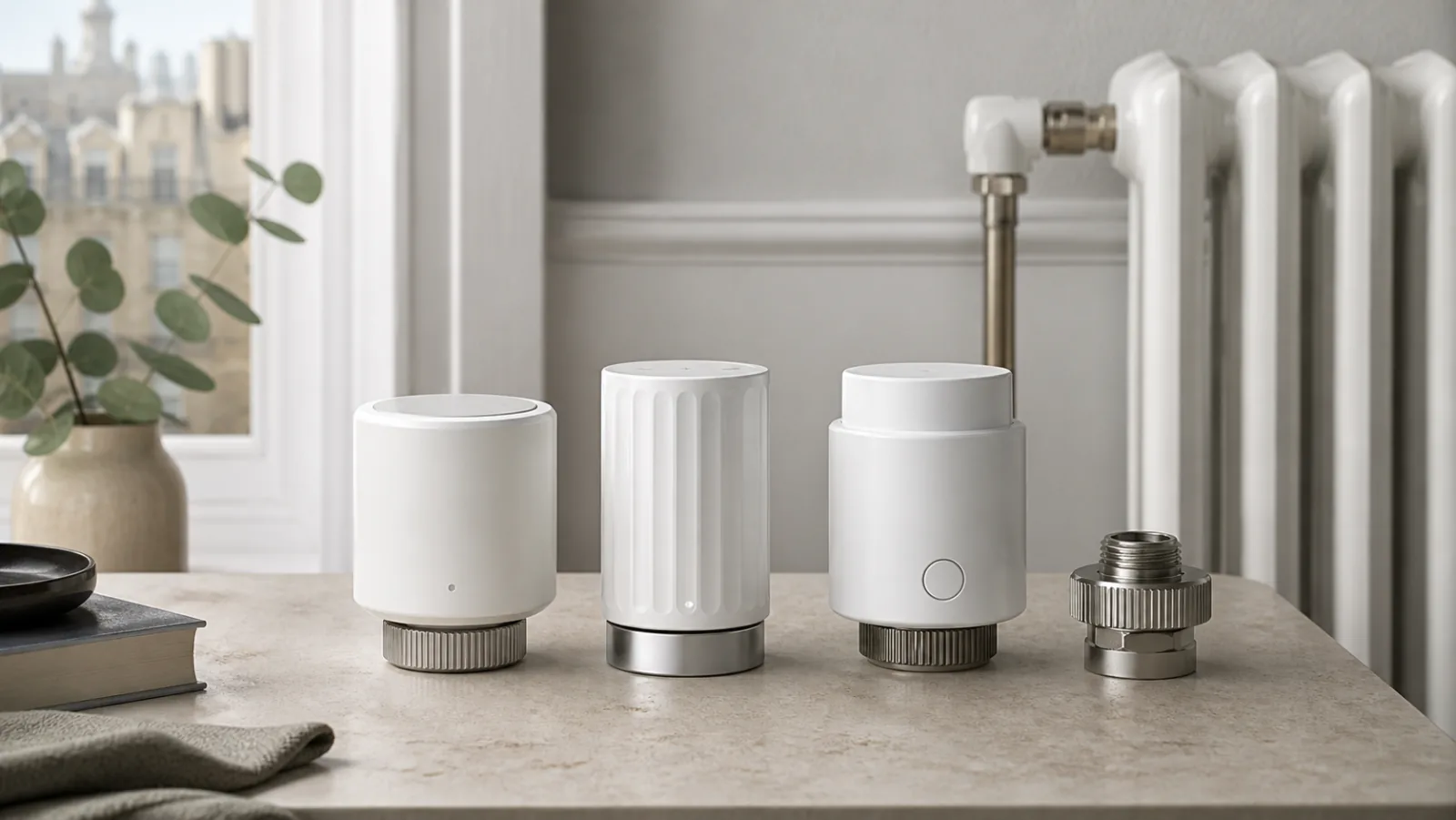
Before buying any smart radiator valve, check whether the radiator already has a thermostatic radiator valve. A TRV usually has a numbered dial, not a simple on/off cap. If you have manual valves, you may need plumbing work first. In a rented flat, get permission before replacing valve heads, even if the change feels reversible.
Next, check whether you want the valve to control the boiler or only the radiator. If the room can ask for heat, the system is much more useful. If the valve only opens when the central heating is already on, it may still save energy, but it will not solve every cold-room problem. Our smart TRV vs room thermostat guide explains that difference in more detail.
Then check physical access. Some London radiators sit behind sofas, beds, bay-window furniture, or decorative covers. A bulky valve head can be hard to read or turn. Battery access matters more than people expect, especially in bedrooms and rental flats where furniture positions change.
Finally, think about electrical and safety context. Smart radiator valves are low-voltage devices, but many heating upgrades happen alongside other home improvements. If you are drilling near cables, read our guide to wire detectors for DIY drilling in London flats. If your home has broader electrical concerns, start with consumer unit upgrades or electrical emergency cover before spending heavily on comfort gadgets.
Frequently Asked Questions
What is the first thing to check before buying smart radiator valves?
Check the existing radiator valve body, physical clearance, and whether the system needs boiler control integration.
Do smart radiator valves always reduce energy bills?
No. They help most when rooms need different schedules and the heating system responds cleanly to those room-level controls.
Final Recommendation
Choose tado Smart Radiator Thermostat X if you are starting fresh and want the best balance of modern smart-home support, rechargeable battery access, and room-by-room control. Choose Drayton Wiser if you want a heating-first UK system with sensible expansion costs. Choose Hive if you already have Hive Active Heating or are committed to the Hive app. Choose Netatmo if design and a Netatmo thermostat ecosystem matter most. Choose Honeywell Home evohome HR92 if you already run evohome or want a more established multi-zone heating architecture.
For most London homes, the winner is tado Smart Radiator Thermostat X. It is not the cheapest route, but it is the most convincing default for a new smart radiator valve setup in 2026. The deciding factors are not just app features. They are compatibility, demand control, batteries, hub requirements, and whether the system still makes sense after you add valves to more than one room.